
View Providers

What to Know About Colectomy (Large Bowel Resection)
A colectomy
is surgery to remove all or part of the colon—or large intestine. The
first six feet of the large intestine is the colon and the last six inches is
the rectum. A colectomy may be necessary in any part of the large intestine. If you or a loved one needs this type
of bowel surgery, it’s helpful to know as much as you can about the procedure,
including how to manage changes in your daily life after a colectomy.

1. There are various reasons for colon removal.
Your doctor may recommend a colectomy to treat diseases and conditions
of the large intestine. This includes inflammatory bowel disease, colorectal
cancer, and diverticulitis. This procedure may also be necessary to treat bowel
injuries, intestinal bleeding, or a bowel obstruction. Having a colectomy may
cure your condition or significantly reduce your symptoms.

2. There are different types of colectomy procedures.
There are two main types of colectomy procedures. A subtotal—or
partial—colectomy involves removing only a damaged or diseased portion of the
colon. The surgeon attaches the remaining healthy parts of the colon back
together. Stool leaves your body normally. A total colectomy involves removing
the entire colon. The surgeon may attach your small intestine to your anus or
to an opening in your abdominal wall—or stoma.
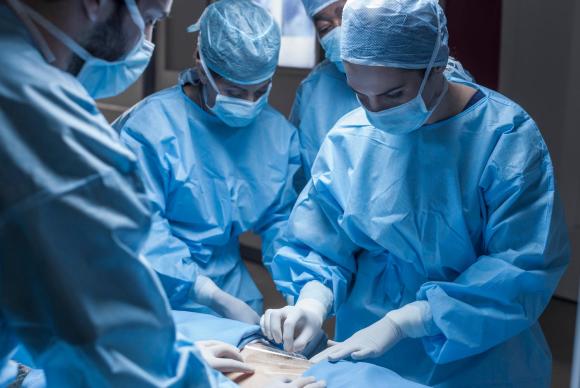
3. Colon and rectal surgeons perform colectomies.
Colon and rectal surgeons are general surgeons with advanced training in
the treatment of colon and rectal problems. Both types of colectomy are
performed under general anesthesia. Regardless of the specific procedure, you
will spend a few days to a week in the hospital.

4. Most colectomies are successful but there are risks.
The general
risks of any surgery include reactions to anesthesia, bleeding, blood clots,
and infections. Other risks of colectomy include leakage through the incisions,
scarring, and problems with how the intestines function to move waste and stool.
Damage to other abdominal organs may also occur. Talk with your surgeon about
your specific risks and how to reduce them.

5. Recovery times depend on how much colon is removed.
You will gradually transition back to eating and drinking. About
a day after surgery, you can have clear liquids. If you tolerate those, you
will start on increasingly thicker liquids and then solid foods. Full recovery
takes 4 to 6 weeks. During this time, you may need to eat a low-fiber diet.
This reduces the amount and frequency of stools to allow intestinal tissue to heal.
Recovery time also depends on your general health and your age.
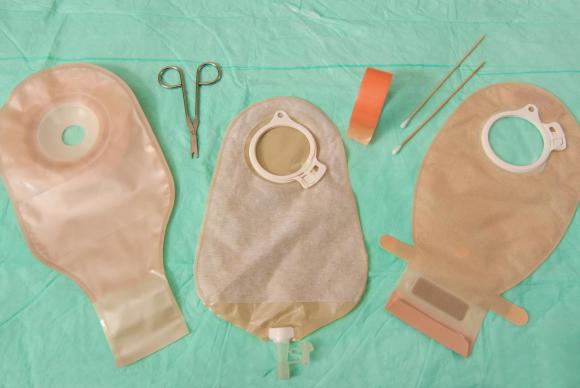
6. An ileostomy or colostomy may be necessary.
In an ileostomy, the surgeon attaches the remaining small
intestine to a stoma. A colostomy attaches the remaining part of the colon to a
stoma. Stool empties into an external pouching system attached to the outside
of the stoma. A stoma may be temporary to allow the bowel to heal. In some
cases, it is permanent. People with stomas will work closely with an ostomy
nurse. The nurse will teach them to care for and live with their stomas.

7. It takes time for digestion to recover.
The time it takes for the bowel to heal and function
normally again varies depending on the person and the surgery. You can help
speed the process by walking as your doctor advises. It’s also important to
know narcotic pain medicines will slow your gut. You need to find a balance
between being comfortable and helping your bowel regain function. Talk with
your doctor about the best strategy for you to manage postsurgical pain.

8. You’ll have help adjusting to possible dietary changes after colectomy.
Colectomy may affect your dietary and stool habits. You may
have to avoid certain types of food, and eat smaller, more frequent meals. Your
bowel movements may become more frequent or less solid. However, people with a
small partial colectomy may notice little or no change. Your doctor, nurse or
dietitian will teach you how to adapt your dietary habits to feel satisfied and
comfortable with your new digestive processes.


