View Providers
Obesity and Your Health
Carrying extra pounds doesn’t affect just your clothing size or the number on the scale. Obesity affects your entire body—your heart, joints, even the blood flowing through your veins. You may be surprised to learn of these obesity-related health problems.
1. Type 2 Diabetes
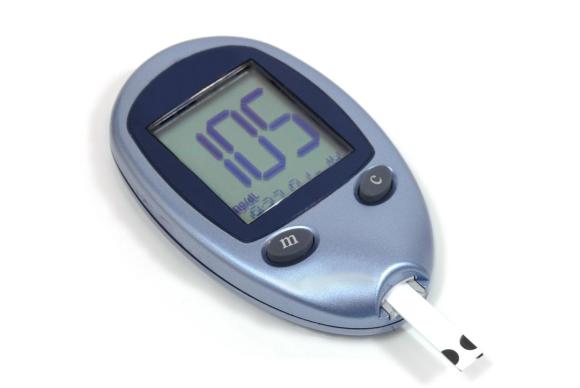
Type 2 diabetes is a common health problem. It occurs when your blood sugar levels are too high. About 4 in 5 (80%) people with type 2 diabetes are obese or overweight. Extra fat tissue may change the way your body is able to use blood sugar, experts believe.
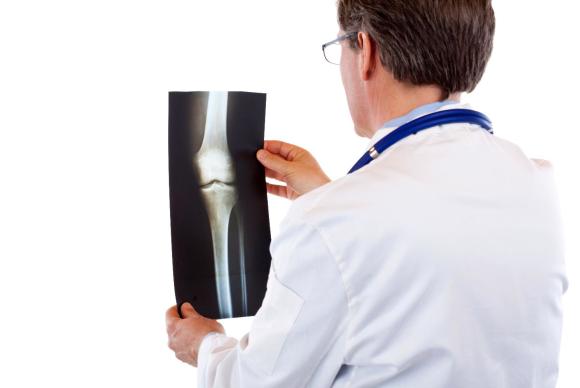
2. Osteoarthritis
Your bones have a protective covering—called cartilage—where they rub together at your joints. Osteoarthritis happens when this protection wears away, causing joint pain and stiffness. Extra pounds can cause osteoarthritis by putting extra pressure on joints, which wears down this protective layer.

3. Cancer
Obesity is linked to a higher risk for certain types of cancer. Breast, colon, kidney, pancreatic and thyroid cancers are all more common in obese people. Why? Fat cells produce hormones, and it’s possible that some of these hormones may contribute to cancer.
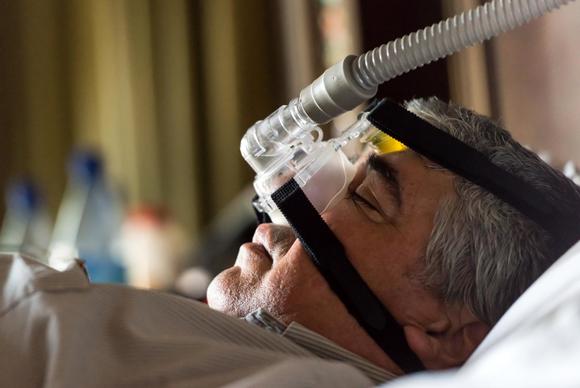
4. Sleep Apnea
In this common sleep disorder, your breathing stops several times during the night. Sleep apnea can make you feel very tired during the day and increase your risk for health problems, such as diabetes. Obesity is the #1 risk factor for developing sleep apnea. Obese people may be more prone to the problem because of extra fatty tissue around the upper airway. This may make the airway smaller and more likely to close up.
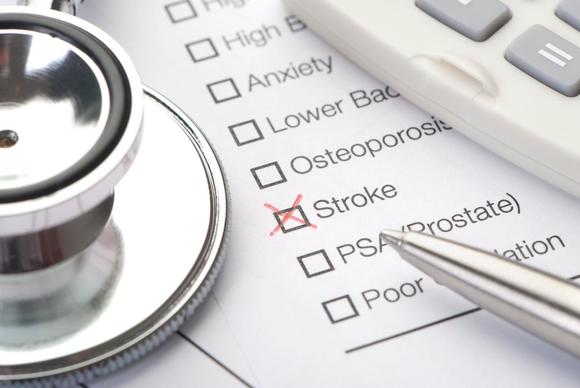
5. Stroke
A stroke occurs when blood flow to a part of the brain is blocked. And the effects of a stroke can be devastating. About half of stroke survivors have trouble with mobility. Some strokes are fatal. High blood pressure—which is common with obesity—is a strong risk factor for strokes.
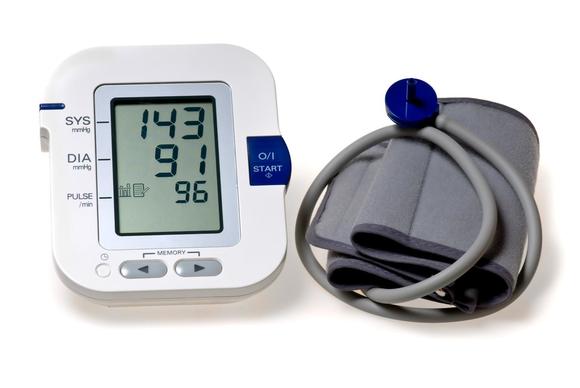
6. High Blood Pressure
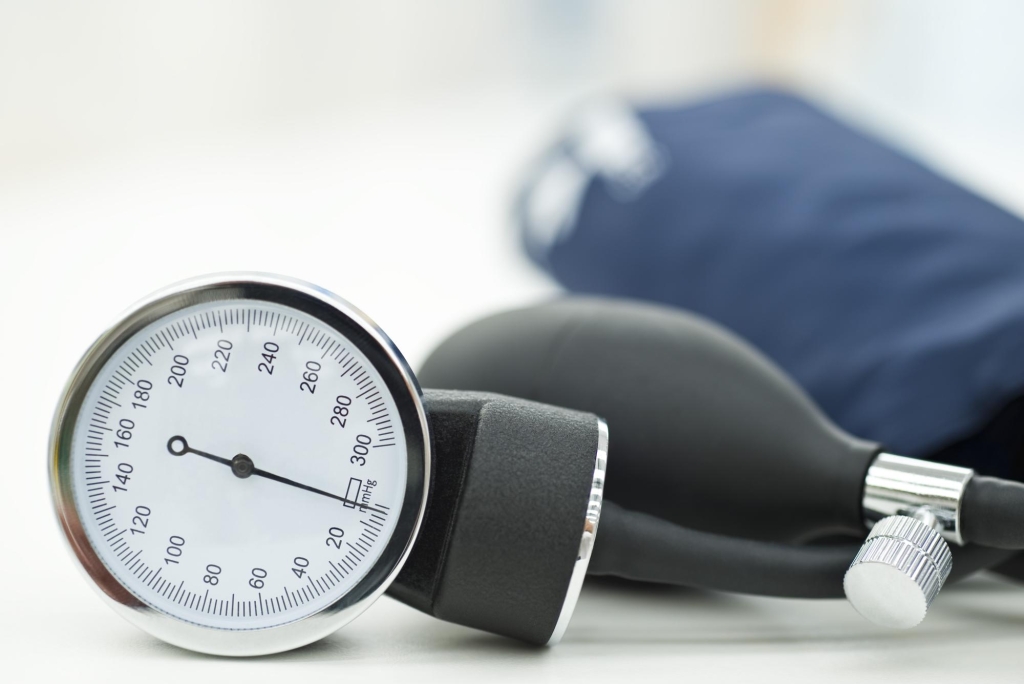
Obesity can raise your blood pressure. When your body is large, your heart has to work harder to pump blood through it. This increases the pressure in your arteries and veins. High blood pressure can damage your heart and lead to heart disease.
7. Heart Disease
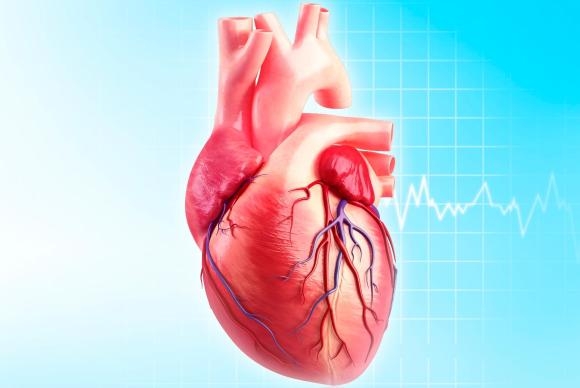
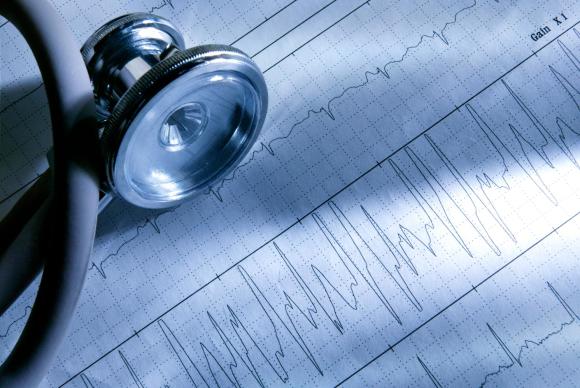
Heart disease is a term that describes a number of heart problems, including heart attack, heart failure, and heart valve problems. Heart problems are the number one cause of death in the United States. Obesity increases your risk for problems that may contribute to heart disease, such as high cholesterol.

8. High Cholesterol
People who are overweight or obese tend to have higher levels of triglycerides and LDL—or “bad”—cholesterol. They also tend to have lower levels of HDL—or “good”—cholesterol. These cholesterol and triglyceride levels increase your risk for heart disease.

9. Pregnancy-Related Problems
Being overweight or obese during pregnancy can affect both the baby and the mother. For example, obese pregnant women are at risk of developing gestational diabetes and high blood pressure during pregnancy. Both can cause complications for mom and baby. A premature birth is also more likely if the mother is obese.
10. Kidney Disease
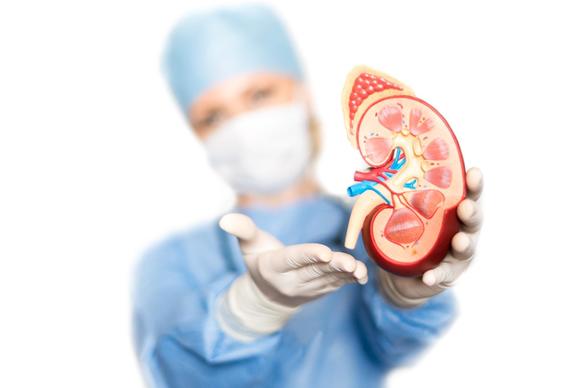
Obesity increases your risk of the two health problems most likely to cause kidney disease—high blood pressure and diabetes. Kidney disease causes waste to build up in your body. You may need dialysis or a transplant if the disease worsens to the point of kidney failure.