View Providers
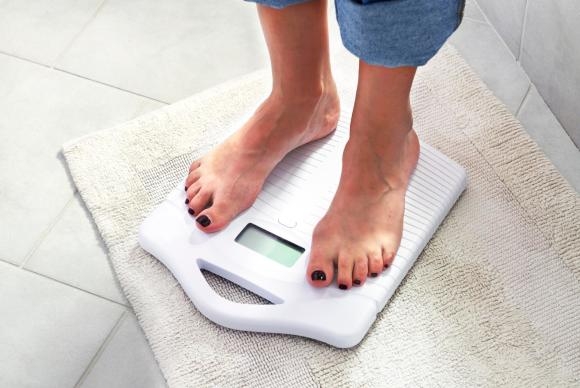
It’s all too easy to gain a few pounds without really noticing… and then gain a few more. But when you finally cross the line from being merely overweight to being obese, that’s when it’s time to really start paying closer attention.
Adults with a body mass index, or BMI, of 30 or higher are considered obese. The tendency toward obesity may be the result of genetics, metabolism, lifestyle factors, or a combination of all three factors. But regardless of the cause, obese adults are at risk for a number of serious health conditions. Obesity is linked to hypertension, heart disease, type 2 diabetes, and high cholesterol, among others.
Hypertension
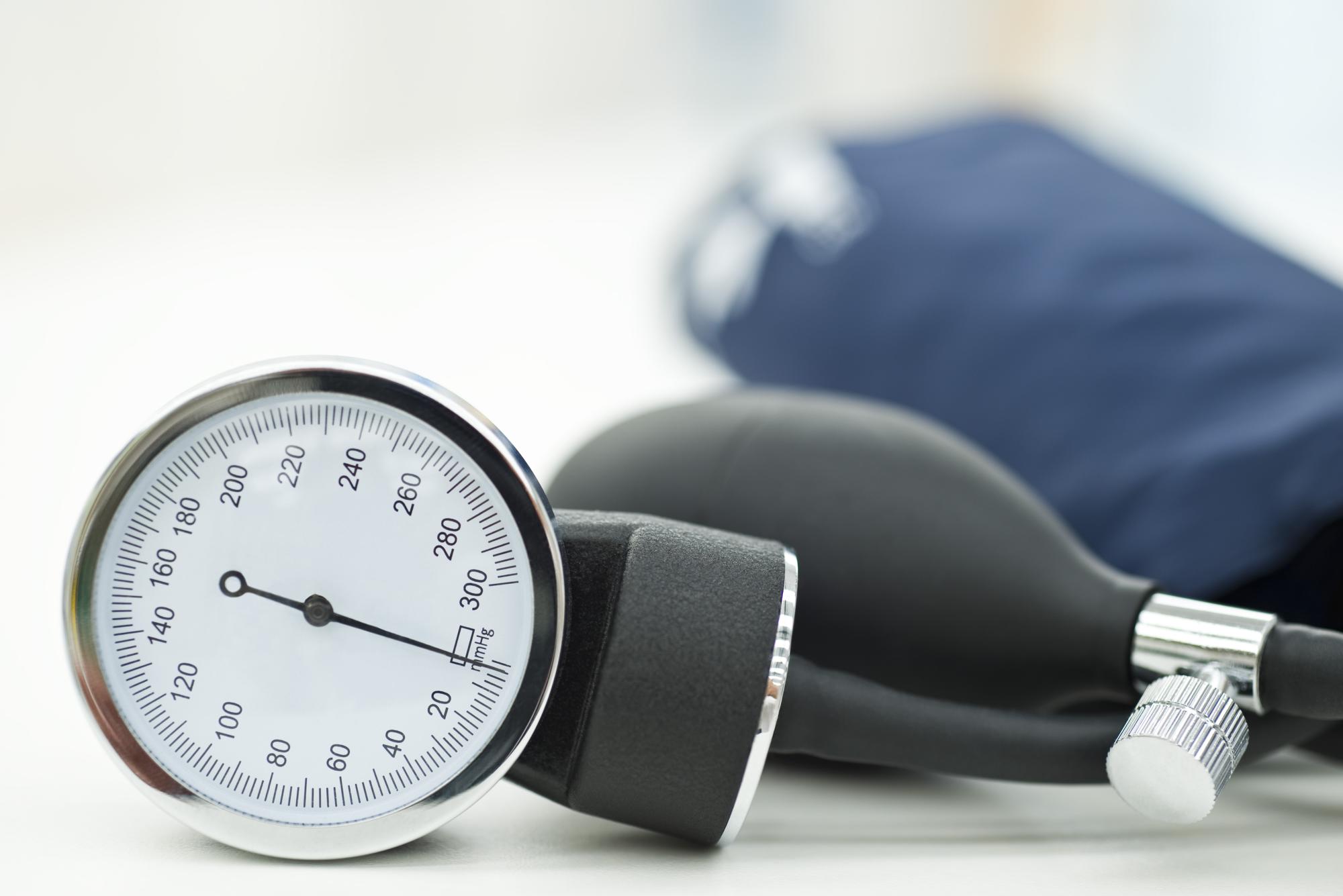
You may also know this condition as high blood pressure. And you’re much more likely to develop high blood pressure if you’re obese, although not everyone who is obese will. When the heart has to work harder to pump blood through your arteries to deliver oxygen to all the cells in your body, it causes additional strain on those artery walls. When your blood pressure rises and stays higher than normal, it can cause damage over time.
Cardiovascular Disease
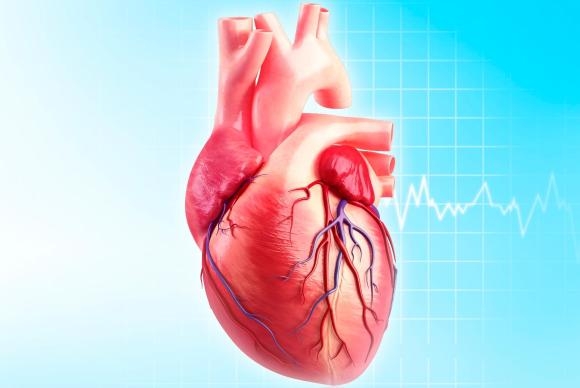
Unfortunately for your heart, obesity is a major contributor to cardiovascular disease. In fact, there’s a link between obesity and coronary artery disease and an increased risk for stroke. According to Stanford Health, hardening of the arteries is 10 times more common in obese people than in non-obese people. Also known as atherosclerosis, this condition occurs when plaque builds up, hardening and narrowing the arteries, making it more difficult for the arteries to carry oxygen-rich blood through the body. And when plaque builds up in the coronary arteries, it reduces the flow of oxygen-rich blood to the heart.
Diabetes
If you’re obese, you’re far more likely to develop type 2 diabetes than someone who’s not. Fat cells secrete substances that increase inflammation, which can reduce your body’s ability to respond to insulin effectively. That, in turn, affects how your body processes fats and carbohydrates, which can raise your blood sugar levels. And that leads to diabetes, along with all of its possible complications.
High Cholesterol
As your weight goes up, so do your triglycerides and your low-density lipoprotein (LDL), often better known as the “bad” cholesterol. High levels of LDL and triglycerides can contribute to atherosclerosis. Additionally, obesity tends to lower your “good” cholesterol, the high-density lipoprotein (HDL) that can lower your risk of developing heart disease.
Osteoarthritis
Those extra pounds put a lot of strain on your weight-bearing joints, including your hips and knees and even your lower back. According to the Arthritis Foundation, 1 pound of excess weight translates into an extra 4 pounds of pressure on your joints. The pressure can eventually cause the cartilage in the joints to break down, causing even more damage, discomfort and pain. Additionally, research suggests that obesity may also worsen the effects of rheumatoid arthritis in people who have it.
Other Health Consequences
But wait, there’s more. The list of possible obesity-related health conditions continues with these additional disorders or problems:
-
Depression and other mental health disorders
-
Some types of cancer including esophageal, colon, rectal, pancreatic, and sometimes postmenopausal breast cancer
-
Gallbladder disease
-
Sleep disorders including sleep apnea
Some people claim the solution to obesity is easy. “Just lose weight,” they say. It’s not really that simple for many obese people. Shedding enough weight to reduce your BMI below the obesity threshold may require a combination of strategies—and a large amount of patience and tenacity.
If you aren’t obese, you can do your body a world of good by taking steps to maintain a healthy weight and BMI. However, even if you’re already obese, you can still work to reduce your risk for all these obesity-related diseases. Start by taking a good hard look at your diet and activity level—and take the first steps to improve both. Your doctor may advise you to begin with diet modifications and increased physical activity, but other options on the table could also include prescription weight loss drugs and weight loss surgery.