
View Providers
When stories in the news tout the possible health benefits
of red wine, they active ingredient they’re really talking about is
resveratrol, a type of antioxidant found in the skin of red grapes, red wine,
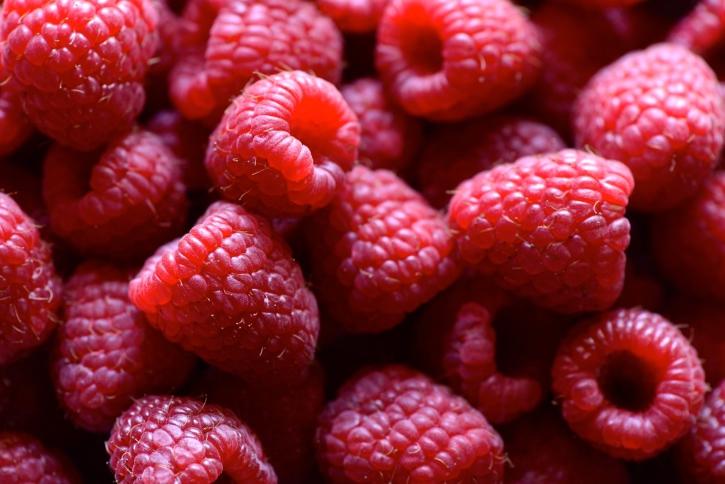
purple grape juice, peanuts and raspberries.
While preliminary research shows resveratrol may help to
protect against heart disease and other medical conditions, experts such as Penny
Kris-Etherton, PhD, RD, a professor of nutrition at Penn State University, say they
need more studies and clinical trials to determine the impact of resveratrol on
the way diseases take shape within the body. For now, Kris-Etherton says
there’s no harm in adding foods that contain resveratrol to your daily diet. You
can enjoy a glass of red wine each night, dark chocolate in moderation, red and
white grapes, tomatoes with the skin still on them, apples, peanuts, and dark
red berries including cranberries, raspberries and blueberries. While a nutritious
diet offers many health rewards, resveratrol in particular can have these added
benefits:
1. Improves Heart Health
A study published in 2015 in the Annals of Internal Medicine
found that those who had a nightly glass of red wine with dinner, along with
eating a Mediterranean diet, significantly increased their levels of good HDL
cholesterol and, as a bonus, reported better sleep quality.
2. Helps Control Blood Sugar
Several recent studies have shown that resveratrol may prove to be an important tool in
helping those with diabetes to manage their blood sugar. By taking resveratrol
along with metformin, the most widely prescribed type 2 diabetic medication,
diabetics were able to lower their blood sugar levels.
3. Helps Fight Cancer
Research has also shown how resveratrol might be used effectively
to fight cancer. One study showed the powerful antioxidant stopped breast
cancer cells from growing by blocking the growth effects of estrogen. Other
studies have shown resveratrol might also stop the progression of skin cancer,
colon cancer and leukemia.
4. Protects Against Alzheimer’s
R. Scott Turner, MD, PhD, director
of the Memory Disorders Program at Georgetown University Medical Center in
Washington D.C., recently completed a clinical trial to see if a
pharmaceutical-grade of pure resveratrol, not available commercially, would
make a difference in patients with mild to moderate Alzheimer’s disease. These
amounts aren’t just what you’d find in a single glass of wine. The highest dose
of resveratrol tested was one gram by mouth twice daily—equal to the amount
found in about 1,000 bottles of red wine. Those who took this amount showed reduced
decline in daily activities such as cooking, getting dressed and using the
telephone. While the results are promising, Turner says a larger study is
warranted to test the effectiveness of resveratrol on patients with
Alzheimer’s.
5. Keeps You Young at Heart
Want to look and feel younger? Kris-Etherton says researchers
have linked resveratrol with the French Paradox, a phenomenon where people in
France who typically eat a diet high in fat-laden pastries and creamy sauces,
have better heart health than Americans. “Studies seem to suggest that part of
the reason for the French Paradox lies in their love of red wine, which
contains resveratrol that has been shown to reduce inflammation and promote a
young healthy heart and mind,” Kris-Etherton says.
Resveratrol is just one part of an overall healthy diet,
which should include fruits and vegetables, lean meats, and whole grains. Talk
to your doctor about how resveratrol might help reduce your risk of certain
conditions, and how to focus on the foods that will keep your body at its best.