View Providers

The Cancer Risks You Can Control
What if you could stop cancer before it begins? Experts say the
majority of cancers in the United States are preventable, and that simply making
healthy lifestyle choices can reduce the risk of developing many forms of the
disease. These daily do’s and don’ts may sound familiar, but the evidence is
strong that following these steps each day can help keep you cancer-free down
the road.

1. Don’t smoke, and if you do, quit.
Lung cancer is the leading cause of death from cancer in the
United States—responsible for about 30% of all cancer deaths—and it’s also the
most preventable. If you stop using tobacco, your risk drops, no matter how old
you are or how much you use. There is no safe level of smoke, whether it’s from
cigarettes, pipes, or even secondhand. Using tobacco is a risk factor for many
other types of cancer too, including leukemia, bladder, kidney and pancreatic
cancer. If you don’t smoke, don’t start. If you do, ask your doctor about ways
to help you quit for good.

2. Maintain a healthy weight.
You probably know obesity can lead to many health conditions
like heart disease and diabetes, but you may not be aware it also increases the
risk for several kinds of cancer, including colon and breast cancer. Experts
think fatty tissue may disturb the balance of certain hormones, which can lead
to the development of tumors. If you are overweight or obese, don’t wait to
start a safe weight loss program. Reducing your waistline means reducing your
cancer risk, too.

3. Be active.
There is convincing evidence that physical activity lowers
the risk of colon and breast cancer. Staying active may also reduce the chance
of prostate, lung, and endometrial (lining of the uterus) cancer. Despite the
many benefits of being active, more than 50% of Americans aren’t getting the recommended
amount of regular physical activity. Shoot for 30 minutes a day, five days a
week of moderate activity or 20 minutes, three times a week of vigorous
activity or exercise.
4. Eat healthy foods.
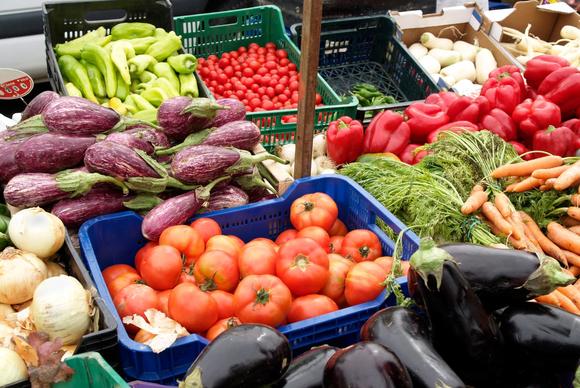
Eating plenty of fruit and non-starchy vegetables (think
broccoli, spinach, carrots, cucumbers) may protect against oral, esophageal and
stomach cancer, and fruit may also protect against lung cancer. Stay away from
processed meats like most hot dogs, bacon and lunchmeats, which raise your risk
of colorectal cancer. The link between cancer and red meat like beef, veal and
lamb is less clear, but for several health reasons, it’s better to keep the
amount of red meat you eat to about 18 ounces per week.

5. Moderate your alcohol intake.
You may have heard red wine lowers your risk of getting
cancer, but there’s no scientific basis for the claim. In fact, heavy drinking
increases your chances of developing oral, throat, and esophageal cancers as
well as liver, breast, and colorectal cancers. The more you drink, the higher
your risk. If you drink, keep your alcohol consumption moderate: up to two
drinks a day for men and up to one drink a day for women.

7. Avoid too much sun.
Skin cancer is the most common form of cancer; more than 3 million
people a year are diagnosed with at least one cancerous lesion. Cases of melanoma,
the most deadly form of skin cancer, will top 75,000 in the United States in 2016.
The biggest cause of skin cancer is exposure to too much UV light, whether from
the sun or tanning beds. So stay away from the suntan parlors, and head for the
shade between 10 a.m. and 4 p.m., when the sun is at its most intense. Put on a
shirt, hat, sunglasses, and sunscreen to lower your exposure to harmful
radiation if you’re heading outdoors for more than a few minutes. A few extra
steps now could save you a cancer diagnosis in the future.