View Providers

Ruling Out Other Illnesses
One of the things that your doctor will do
before diagnosing irritable bowel syndrome (IBS) is make sure you don't have
another disease or illness that has similar symptoms. Symptoms of IBS include
at least six months of abdominal discomfort along with changes in your bowel
movements. You do not usually need tests to get an IBS diagnosis. Doctors can
diagnose IBS from your signs and symptoms. However, your doctor may do tests to
rule out six similar conditions.
1. Inflammatory Bowel Disease (IBD)
IBS and IBD are sometimes confused. They even
sound the same. They're not. IBD includes two serious diseases: ulcerative
colitis and Crohn’s disease. IBS and IBD can both cause diarrhea, constipation
and abdominal pain. IBD is different because it causes major inflammation and
damage. IBD increases the risk of colon cancer. If you have symptoms like blood
in your stool, fever or weight loss, you may have IBD and not IBS.

2. Colon Cancer
Colon cancer is another serious disease that can
act like IBS. It causes a change in bowel habits. It may also cause diarrhea or
constipation. Colon cancer symptoms tend to get worse. Colon cancer may cause
rectal bleeding, dark or bloody stools, weakness, and weight loss. IBS does not
cause bleeding. If you have these symptoms, let your doctor know. These
symptoms are a warning not to ignore.

3. Celiac Disease
Sometimes people with celiac disease have no
symptoms. In others, celiac disease may cause constipation, diarrhea, pain and
bloating — like IBS, celiac disease also causes many other symptoms. These
include foul-smelling stools, nausea, vomiting and weight loss. Adults with
celiac disease may have symptoms that do not involve digestion. These can
include rashes, joint pain, canker sores, depression, tingling and numbness,
brittle bones, and headaches.

4. Lactose Intolerance
Lactose intolerance can act a lot like IBS. Its
symptoms include bloating, abdominal pain, diarrhea, gas and nausea. Like IBS,
lactose intolerance does not cause rectal bleeding or weight loss and fatigue.
The big difference is that lactose intolerance symptoms only occur within two
hours of drinking milk or milk products. Lactose intolerance is more common in
people who are African American, Asian, or Hispanic.

5. Diverticulitis
When small pouches form inside the digestive
tract, this is diverticulosis. They usually form toward the end of the colon.
Diverticulosis does not get confused with IBS. It does not cause symptoms.
However, if these pouches get infected, it causes diverticulitis, and that
condition can act like IBS. Diverticulitis causes pain and constipation or
diarrhea. The difference is that diverticulitis also causes fever and bleeding.
In some cases, the bleeding can be severe, resulting in bright red rectal
bleeding.
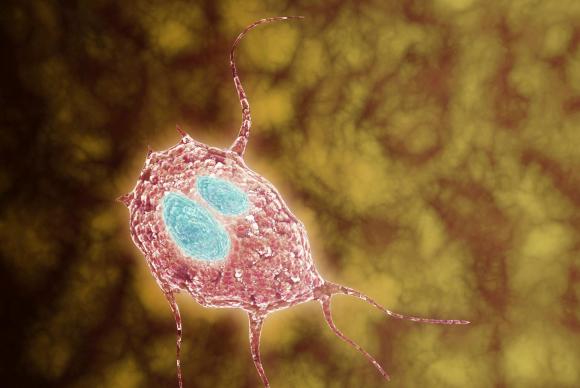
6. Giardiasis
Many intestinal infections can act like IBS.
Infection with the intestinal parasite giardia can be mistaken for IBS. That's
because this infection also causes diarrhea, gas, and abdominal pain. The
symptoms can last for a long time and they can come and go — just like IBS.
Over time, giardiasis may cause weight loss and vitamin deficiencies because it
keeps your digestive system from absorbing fat. Your doctor may use a stool
sample to test for giardiasis.