
View Providers

It might not actually be IBS.
Irritable bowel syndrome (IBS) is not actually a
disease. It’s a gastrointestinal syndrome, the name for a constellation of
symptoms that can make you feel very uncomfortable in a few different ways. The
symptoms typically include constipation, abdominal pain, bloating, gas, mucus
in your stool and diarrhea. Some people with IBS suffer more from constipation
than diarrhea and vice versa. And still others experience alternating
symptoms—constipation, followed by a bout of diarrhea, followed by another
round of constipation. People often confuse IBS with a number of other
disorders and diseases, since it does have some symptoms in common with other
conditions. For example, you might also experience indigestion, fatigue,
headaches, and backaches, which can overlap with other syndromes and illnesses.
It may help to learn what symptoms are not
associated with IBS, and if you develop any of these issues, it might be worth
asking your doctor to reconsider your diagnosis.

1. Inflammation in the Intestines
IBS can make you very uncomfortable.
Fortunately, IBS discomfort does not actually signify major harm to your
intestines. People with inflammatory bowel disease (IBD), however, do develop
inflammation in their intestines that can lead to permanent tissue damage. IBD
can be very painful, so if you develop this type of pain, be sure to notify
your doctor.

2. Fever
Fever is not a symptom associated with IBS. If
you have developed a fever and are experiencing shivering, sweating and
fatigue, you may have contracted a virus or a bacterial infection. If you can’t
seem to get rid of a fever, be sure to contact your doctor, as a persistent
fever could be a sign of something more serious.
3. Weight Loss
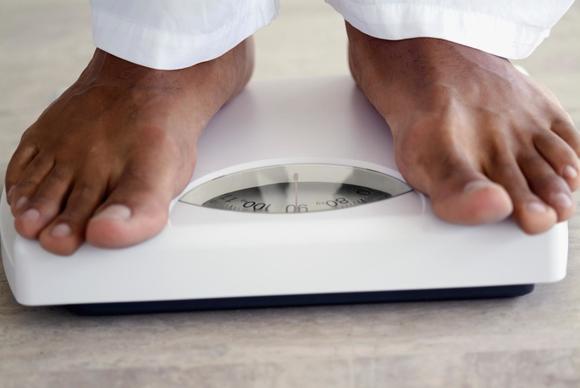
Most people with IBS tend to maintain a
relatively stable weight. But if you suddenly drop a significant amount of
weight without trying, it could be cause for concern. Unexplained sudden weight
loss is not a typical experience for most people who just have IBS. In fact,
weight loss tends to be associated more with irritable bowel diseases like
ulcerative colitis and Crohn’s disease, in which people have trouble digesting
and absorbing nutrients from their food.

4. Bleeding
You might occasionally experience a little
bleeding from hemorrhoids, which are fairly common in people with IBS. But you
should not be experiencing regular or persistent bleeding from your rectum. It
could be a sign of ulcerative colitis or certain types of cancer. It’s
definitely worth getting checked out.

5. Anemia
Feeling unusually tired and sluggish? You could be anemic.
If you have iron deficiency anemia, or IDA, it could be the result of IBD, not
IBS. People with IBD often develop anemia as the result of chronic blood loss
or because their bodies are unable to absorb enough iron from their food. Nausea
and weight loss sometimes result from anemia, too.

6. Unexplained Changes in Your Bowel Habits
Maybe you’ve recently changed your diet or started
taking a new medication. Or perhaps you’ve been under a lot of stress. Those factors
can all affect your bowel habits. But if you’ve noticed a big change in your
bowels without any precipitating factors, this could be a red flag that
something else is going on. It could even be an early harbinger of colon cancer
or carcinoid syndrome.

7. Worsening Abdominal Pain or Diarrhea
Abdominal pain and diarrhea that comes and goes
is pretty common in people with IBS. However, when these symptoms get
progressively worse, that may be a sign that something else is wrong. If you’re
writhing around in pain in the middle of the night, that’s also a possible
warning sign of some other type of colon disorder. And if your diarrhea
worsened after IBS treatment, or never really went away, it’s important to be
tested for more serious conditions that could be the cause.

8. Recent Bowel Irregularity
IBS is much more common among people under age
45—and it’s more common in women. So if you’re in your 50s or older and
suddenly develop new bowel symptoms or become irregular, that could be a red flag.
According to the IBS Network, bowel cancer tends to occur much more often in
older people—and unusual irregularity can be a first sign.