View Providers

Protect your colon health with the facts.
What you don't know about your colon might surprise you. If you think you're too young to get colon cancer, or that it's difficult to treat, it's time to brush up on your facts. Many things about your life and health can add up to an increased risk of colon cancer. Age, race, lifestyle habits, and other health conditions can all play a role. Read up on these facts, and don't let colon cancer take you by surprise.
1. Colon cancer is often preventable.
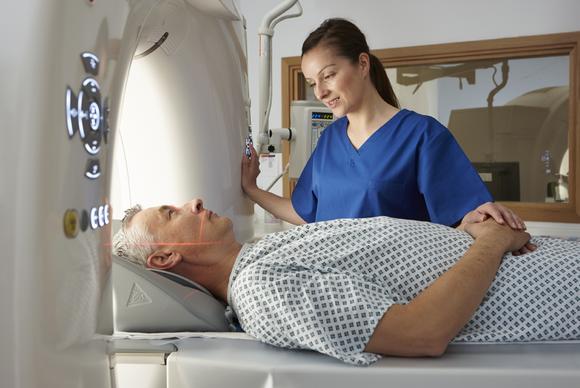
Colon cancer is the second leading cause of cancer deaths in the United States. But here's some good news: It can often be prevented. Screening tests can detect tiny polyps before they become cancerous. Doctors can then remove these polyps and prevent many cases of colon cancer. In the early stages, colon cancer often causes no symptoms. These screening tests can stop cancer before it advances.

2. Smoking is a major risk factor.
Lifestyle plays a role in your colon cancer risk, especially smoking. People who smoke tobacco products for a long time are more likely than nonsmokers to develop colon polyps and colon cancer. Smokers are also more likely to die from colon cancer. Quitting puts the brakes on this. The longer you've been a nonsmoker, the more your risk decreases.

3. Young people get colon cancer, too.
Colon cancer usually strikes after age 50, but young people aren't off the hook. About 11% of colon cancer cases and 18% of rectal cancer cases are in people 50 and younger. And, the numbers are rising. Some experts think that's because younger people don't get enough exercise and are eating too much red meat and not enough fruits and vegetables. Having a family member who had colon cancer increases your risk of developing it at a younger age. Young people often have fewer symptoms and get diagnosed at a later stage.

4. Race affects your risk.
About 1 of every 20 people in the United States will get colon cancer at some point in their life. But if you're African American, your risk is higher: Black Americans are at least 25% more likely to develop colon cancer than White Americans, Hispanic Americans, and Asian/Pacific Islanders. Black Americans are also more likely to die from colon cancer than are other races. This makes screening important for everyone, but especially those at an increased risk.

5. Inflammatory bowel disease increases your risk.
If you have an inflammatory bowel disease (IBD), such as ulcerative colitis or Crohn's disease, you're more likely to develop colon cancer than someone who doesn't have an IBD. The longer you have IBD, the greater your risk of colon cancer. Those who've had IBD for longer than eight years are at the greatest risk. If you have Crohn’s or ulcerative colitis, ask your doctor how often you should have a colonoscopy to screen for cancer.

6. Type 2 diabetes increases your risk.
Type 2 diabetes and colon cancer share a number of risk factors: excessive weight, poor diet, smoking, and not enough exercise. But people with type 2 diabetes are also more likely to develop colon cancer and die from the disease. No one knows just why this is the case. One theory is that high levels of insulin and sugar in the blood may cause changes in the colon that lead to cancer. Inflammation may also be to blame for the increased colon cancer risk.