
View Providers

Colorectal Cancer Facts
Colorectal cancer is cancer of the large intestine and it is the third most
common cancer in men and women. The average American has about a 5% risk of
developing colorectal cancer during his or her lifetime. Here are some
of the most important facts to know about colorectal cancer.

1. Age is a main risk factor.
Anyone can get colorectal cancer, but about 90% of these cancers occur
in people age 50 and older. Besides age, other risk factors include being African
American, having a family history or personal history of colorectal polyps or
cancer, and having a personal history of inflammatory bowel disease. Up to 10%
of colorectal cancers are related to gene mutations and genetic syndromes.
Lifestyle factors, such as obesity, not getting enough exercise, smoking, poor
diet, and heavy alcohol use, can also increase your risk.

2. There are often no symptoms in the early stages.
When colorectal cancer symptoms develop, they can include abdominal
cramping or pain, bloody or very dark stool, rectal bleeding, and a feeling of
incomplete emptying after a bowel movement. You may also notice changes in
bowel habits, such as diarrhea, constipation, changes in consistency, or
narrowing of the stool. Other signs and symptoms include tiredness or weakness,
weight loss, loss of appetite, and a low red blood cell count. Other
conditions, such as hemorrhoids, share some of these symptoms. See your doctor for
the right diagnosis.

3. Screening finds many colorectal cancers before symptoms develop.
About 95% of colorectal cancers develop slowly over 10 to 15 years. They
arise in the gland cells that make lubricating mucus for the colon and rectum,
starting as non-cancerous polyps in the lining of the colon or rectum. Noninvasive
occult fecal blood testing is an extremely reliable screening technique. Your
doctor can check for polyps with routine colonoscopy, which often finds these
polyps before they become cancerous. There are various screening methods, so
talk with your doctor about your options.

4. A biopsy is the only way to know for sure if a polyp is cancerous.
Screening tests are the most effective way to diagnose
colorectal cancer in early, highly treatable stages. Colonoscopy is a common screening
tool that allows your doctor to collect a biopsy. A biopsy removes a small
tissue sample to check it for cancer; it is the only way to know for sure if
the tissue is cancerous or benign. Your doctor may even be able to completely
remove a suspicious area during the exam.

5. A complete diagnosis is necessary to stage colorectal cancer.
After diagnosing colorectal cancer, your doctor may order
imaging exams, such as CT and MRI, to determine the extent of cancer. Genetic
testing of the biopsy samples may also be necessary for a complete diagnosis. All
of this information helps your doctor stage and classify the cancer and plan
the most effective treatment.

6. Colorectal cancer stage guides treatment decisions.
There are five stages for colorectal cancer: 0, I, II, III
and IV. Lower stage cancers usually have a better outlook because they are more
likely to respond to treatment. Higher numbers indicate more severe disease.
The stage of your cancer depends on how deep the tumor is in the wall of your
colon and whether it has spread to your lymph nodes or other organs. Once your
doctor knows the stage, you and your doctor can develop a treatment plan that
is right for you.

7. Surgery is the main treatment for all stages of colorectal cancers.
In early stages, colorectal cancer surgery may involve
removing only a small part of the colon. This treatment has a high success rate
and may be the only treatment necessary. Doctors may still recommend surgery if
the tumor is large or has spread. However, they may need to remove an entire
section of intestine or rectum. If there isn’t enough tissue left to reconnect
the ends, the surgeon will create a colostomy—an opening for stool to pass.

8. Radiation therapy and chemotherapy are other common treatments.
Doctors often add radiation therapy and chemotherapy—alone
or together—starting in stage II. These treatments can shrink a tumor before
surgery and kill any remaining cancer after surgery. Doctors also use these
treatments to shrink tumors that have spread to other parts of the body. Radiation
and chemotherapy are also useful for people who can’t have surgery, and to help
relieve symptoms such as pain or rectal bleeding in advanced stages.
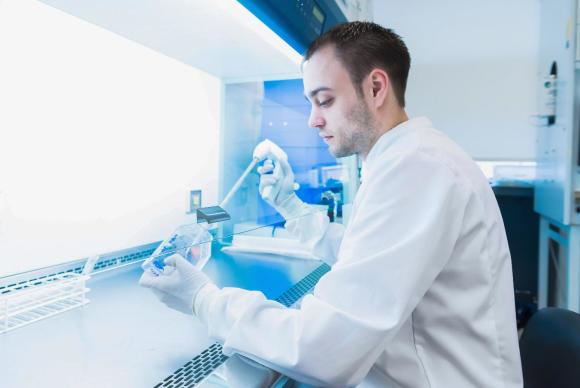
9. Targeted therapy may be useful in advanced stages.
Targeted therapies are medicines that target specific
markers present only on cancer cells. In some cases, targeted therapies work
when standard chemotherapy does not. Doctors most often use targeted therapies
for advanced colorectal cancer, first testing tissue from the tumor to see if
it has the markers that would make this treatment worthwhile.

10. You can take charge of your colorectal health.
Screening exams are one of the most effective steps you can take
to prevent colorectal cancer. You can also reduce your risk by minimizing risk
factors you can control, including not smoking, drinking alcohol only in moderation, and eating a
balanced diet with a variety of whole grains and fresh fruits and vegetables.
It’s also important to maintain a healthy weight and get regular exercise with
moderate to vigorous activities most days of the week.