View Providers
You may have heard the news recently that researchers have found links between eating red meat and increased risk of certain cancers. But what does this mean for you? Should you say good-bye forever to burgers, steaks and bacon?
These latest concerns are based on an October 2015 report from the World Health Organization (WHO), which had 22 experts in 10 countries review about 800 epidemiological studies to look for a connection between red meat and processed meats and cancer. It found heightened risk between these meats—especially processed meats—and some cancers, particularly colorectal cancer.
WHO didn’t say you should ban red meat or processed meats from your diet completely, but it did advise limiting the amount you eat. Here are some of the key findings from the WHO study.
The case against processed meat is strongest.
Processed meats are those that are cured, salted, smoked or treated in some way. Examples include hot dogs, sausages, corned beef, bacon, ham, deli meats, beef jerky, or meats in prepared foods and sauces.
WHO’s research arm, the International Agency for Research on Cancer, found such a strong link between eating processed meat and colorectal cancer that it classified processed meat as Group 1, or carcinogenic to humans. This is the same classification as tobacco smoking and asbestos exposure.
Researchers found that every 50-gram (or 1.7-ounce) portion of processed meat eaten daily increases the risk of colorectal cancer by about 18%. This serving is roughly equal to two slices of bacon.
Processed meats are thought to cause cancer in several ways. Nitrites often found in these meats can turn into carcinogenic N-nitroso compounds. Smoking of meats creates other types of carcinogens, while the presence of “heme iron” in red meats also is suspected of being carcinogenic. (Plants contain only non-heme iron, while both heme and non-heme are found in meat, seafood and poultry.)
Red meat “probably” causes cancer.
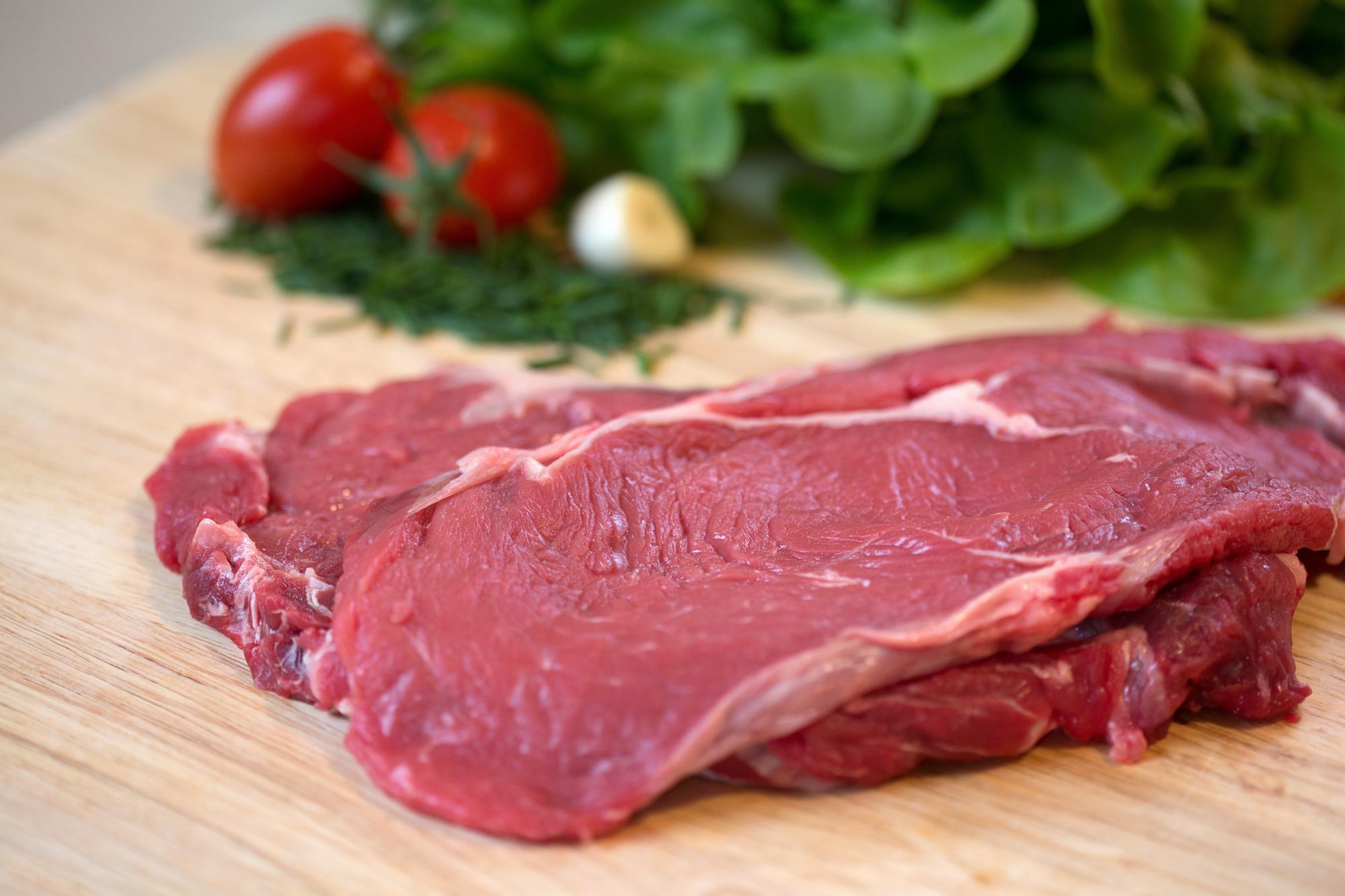
Researchers classified red meat–such as beef, pork and lamb–as Group 2A, defined as “probably carcinogenic to humans.” They found links primarily to colorectal cancer, but also to pancreatic and prostate cancer.
With processed meats, researchers found no safe amount you can eat. With red meat, however, research indicates you are probably safe if you limit red meat consumption to no more than 18 ounces per week.
This translates to one 3-ounce serving (about the size of a deck of cards) six days a week or one 6-ounce serving three days per week.
Red meat may increase cancer risk because it includes heme iron. Also, when red meat is cooked at high temperatures (fried or grilled), the process produces certain types of carcinogens.
What does the increase in cancer risk mean for me?
If eating processed meat raises your risk of colorectal cancer by 18%, does this mean you have an 18% lifetime chance of getting this kind of cancer? No. The increase in risk refers to changes in the risk you already have.
The average American woman’s risk of getting colorectal cancer today is 4.49%; the average man’s, 4.84%. If you eat processed meat, you could raise that risk by 18%–which translates into a risk of 4.57% for women and 5.71% for men. This is not a huge increase, obviously, but a statistically higher risk nonetheless.
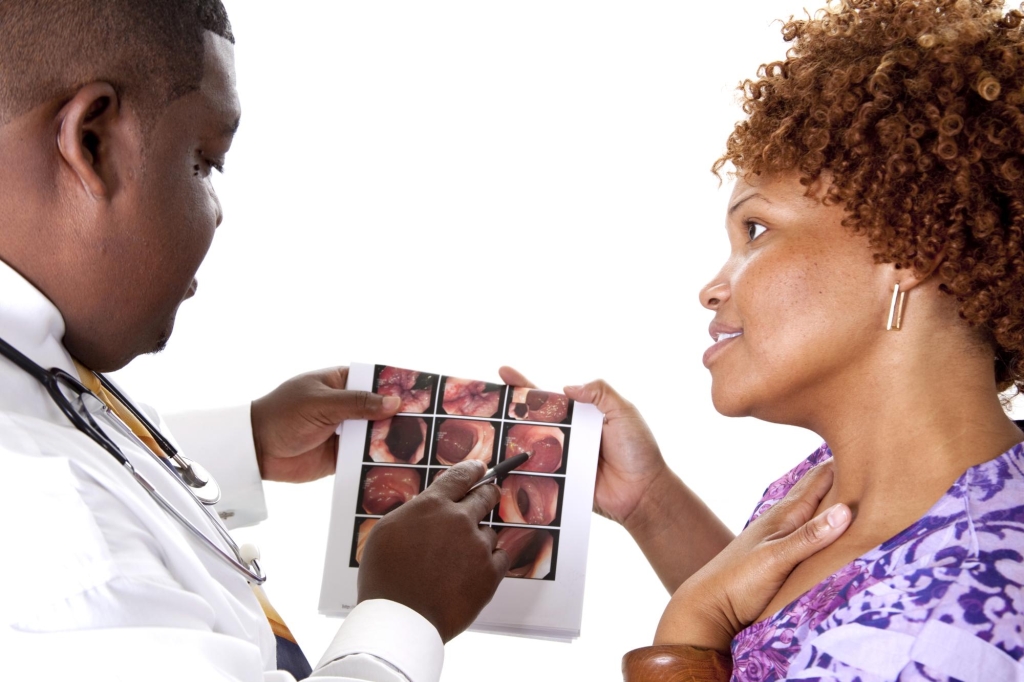
Your personal risk of getting colon cancer depends on many factors: your age (the risk is higher over 50), weight (obesity is a risk factor), level of exercise, family history, and diet among them. Talk to your doctor about whether you have any potential risk factors for colon cancer, and how to take steps to reduce your risk.
How should you change your diet?
The American Cancer Society and the American Institute for Cancer Research have recommended cutting back on red meat and processed meat for years, well before WHO’s results came out in 2015. But they also point out that red meat also has nutritional value, too. So like the WHO findings, their recommendations are not to eliminate red meat from your diet entirely, but rather to limit it.
Ways to do this include:
- Substituting other proteins for red and processed meat. Examples: hummus, quinoa, peanut butter or other nuts, beans, poultry or fish.
-
Making vegetables and grains the center of dishes that you plan, with meat occupying a smaller portion; consider it like you would a condiment or garnish.
- Cutting the amount of meat you add to stews, casseroles and soups in half; replace with beans.
- If you do eat red meat, choose leaner and smaller portions.