
View Providers
The effects of smoking reach far beyond your lungs. In fact, smoking harms almost every organ in your body. Here’s a head-to-toe look at how smoking can hurt you.
Smoking Harms Your Head and Neck
Smoking can have many harmful effects on the organs inside your head and neck. These include:
-
Cancers of the mouth, nose, throat, larynx, trachea and esophagus. At least 70 chemicals in tobacco smoke are known to cause cancer.
-
Eye conditions. Smoking can increase your risk of many eye conditions that can cause blindness. These include cataracts, age-related macular degeneration, and optic nerve damage.
-
Gum disease. Smokers are twice as likely to have gum disease as nonsmokers. And gum disease treatments may not work as well if you smoke. Smoking can also cause tooth loss.
-
Stroke. You may be up to four times more likely to have a stroke if you smoke. This is because smoking damages your blood cells and may cause blood clots and bleeding. If this happens in your brain, it can lead to the sudden death of brain cells.
Smoking Is Toxic to Your Lungs
Chances are you’ve heard that smoking is the number one cause of lung cancer. But it can also lead to many other lung problems including:
-
Asthma attacks. If you have asthma, smoking can trigger attacks or make your asthma more severe.
-
COPD (chronic obstructive pulmonary disease). COPD includes chronic bronchitis and emphysema and can cause trouble breathing and wheezing. Smoking is responsible for about 80% of all deaths from COPD.
-
Pneumonia. Smoking increases your risk of getting pneumonia, an infection in your lungs.
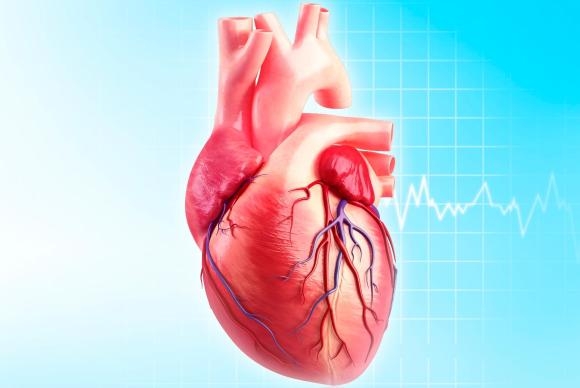
Smoking Damages Your Heart and Blood Vessels
Heart problems and smoking often go hand in hand. Smoking harms your blood vessels and makes them narrow. This makes your heart work harder and raises your blood pressure. Smoking also increases your risk of:
-
Aneurysms. These are blood vessels that bulge out and can burst, causing dangerous bleeding inside your body.
-
Heart disease. This occurs when blood clots get stuck in your artery walls and block blood flow. Smoking increases your risk of heart disease 2 to 4 times.
-
Heart attack. Heart disease can lead to a heart attack if a blood clot stops blood flow to your heart.
-
Peripheral artery disease (PAD). This happens when plaque builds up in the blood vessels outside your heart and blocks blood flow. PAD most often affects the arteries in the legs, causing numbness and pain.
Smoking Is Bad for Your Bones
Smoking can affect your bones by causing:
-
Bone loss. As you age, smoking can increase your risk of bone loss. Smokers lose bone density at faster rates than nonsmokers.
- Osteoporosis. Bone loss increases your risk of osteoporosis, a condition that can make your bones more likely to break.
Smoking Injures Your Internal Organs
Smoking can also damage many of your internal organs and systems, leading to:
-
Cancer. Smoking increases your risk of cancer in many organs including the liver, stomach, pancreas, kidneys, bladder, colon and rectum.
-
Diabetes. Smokers are up to 40% more likely to have type 2 diabetes than those who don’t smoke. And the more you smoke, the higher your risk of diabetes. Smoking can also make it harder to control your diabetes.
-
Immune problems. Smoking has been linked to a higher risk for autoimmune disorders, such as Crohn’s disease and rheumatoid arthritis.
-
Reproductive problems. Women who smoke can have a harder time getting pregnant. Smoking can also have a negative effect on men’s sperm. Smoking during pregnancy increases the risk of preterm birth and SIDS (sudden infant death syndrome).