View Providers
Lessen your fears with the truth about cancer, not scary myths.
You may think getting cancer is the worst thing that could happen. The truth is that about 4 in 10 people will develop some type of cancer during their lifetime. Although not everyone survives cancer, most people will live a full life years after diagnosis. In fact, chances of surviving cancer have been improving steadily for decades. Replacing cancer myths with cancer facts can lessen your fears. Knowing the truth about cancer can help you recognize cancer signs and symptoms early and prompt you to engage actively in your treatment. The worst thing you can do is to not see a doctor for cancer screening or symptoms. When you hear these seven myths about cancer, share the real story and help spread the word.

Myth No. 1: Cancer is always deadly.
What's true is the
number of deaths from cancer has been going down over the past 30 years.
Doctors today can diagnose cancer earlier and offer better treatments. More
than 90 percent of people with certain cancers—like breast, prostate and
thyroid cancer—will be alive five years after diagnosis. The five-year survival
rate for all types of cancers is more than 60%. Being diagnosed with cancer
does not mean you will die from cancer.

Myth No. 2: If cancer is in your family, you'll probably get it.
Changes in genes do cause cancer. But less than 10% of cancer
gene mutations run in families. The vast majority of the gene changes that
cause cancer happen during your lifetime. They are linked to things like
smoking, being overweight, or not exercising. Other cancer-promoting
factors include exposure to radiation, to the sun, or to certain toxins, chemicals
or infections. Often, the cause of gene changes is not known.

Myth No. 3: Cancer can be passed from person to person.
Unlike a cold that can pass from person to person, cancer is
not contagious. You may have heard about viruses or bacteria that cause cancer.
A type of stomach bacteria called Helicobacter
pylori may cause stomach cancer. The human papillomavirus may cause
cervical or throat cancer. The bacteria or the virus may be contagious, but the
cancer is not. Also, most people who get these infections never get cancer.

Myth No. 4: Eating sugar feeds cancer.
You may have heard that cancer cells grow fast so they
thrive on sugar. The fact is there's no evidence that eating too much sugar
will cause cancer or make it grow. Avoiding sugar or artificial sweeteners will
not prevent cancer. Still, too much sugar in your diet can increase body fat,
and high body fat may increase your risk of developing breast and colon cancer.
High body fat can also lead to obesity and diabetes, and these conditions increase
the risk of several cancers.

Myth No. 5: Cellphones and power lines cause cancer.
Some people think low-frequency energy from cellphones or
electric energy from power lines cause genetic changes that lead to cancer. The
fact is there's no scientific evidence for this. Other people believe that
holding your cellphone against your ear can lead to brain tumors. However,
research has shown that the energy from cellphones is not strong enough to
cause genetic changes. Magnetic energy and electric energy from power lines are
also too weak to do cause changes.
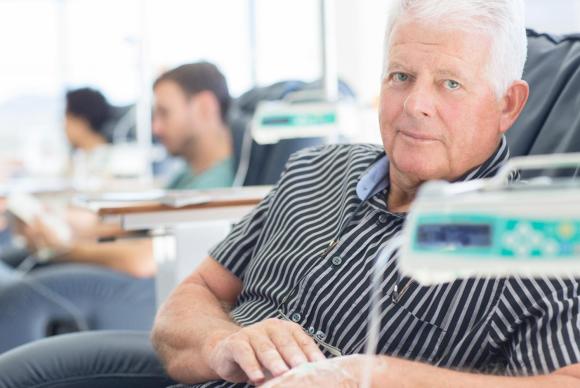
Myth No 6: Cancer treatment is miserable.
It's a myth that treating cancer is worse than having cancer.
The fact is that cancer treatments generally are much less difficult than they
used to be. Side effects still occur, but doctors today know how to manage them
better than before. Nausea, vomiting and hair loss are less common. Advances in
surgery, radiation and chemotherapy also have made treatment more effective. It
may save your life or help you live longer.

Myth No. 7: You can't prevent cancer.
Cancer experts say about 400,000 cancer cases a year could have
been prevented. Consider these protective habits: A diet high in fruits, vegetables
and fiber can reduce your risk of colon and stomach cancer. Lots of exercise
can reduce breast and colon cancer risks. Not drinking alcohol can lower your risk
of breast, esophagus and liver cancers. Not smoking reduces your risk of lung
and many other cancers. Limiting sun exposure helps you avoid skin cancer. Living
a healthy lifestyle can help protect
you.