
View Providers
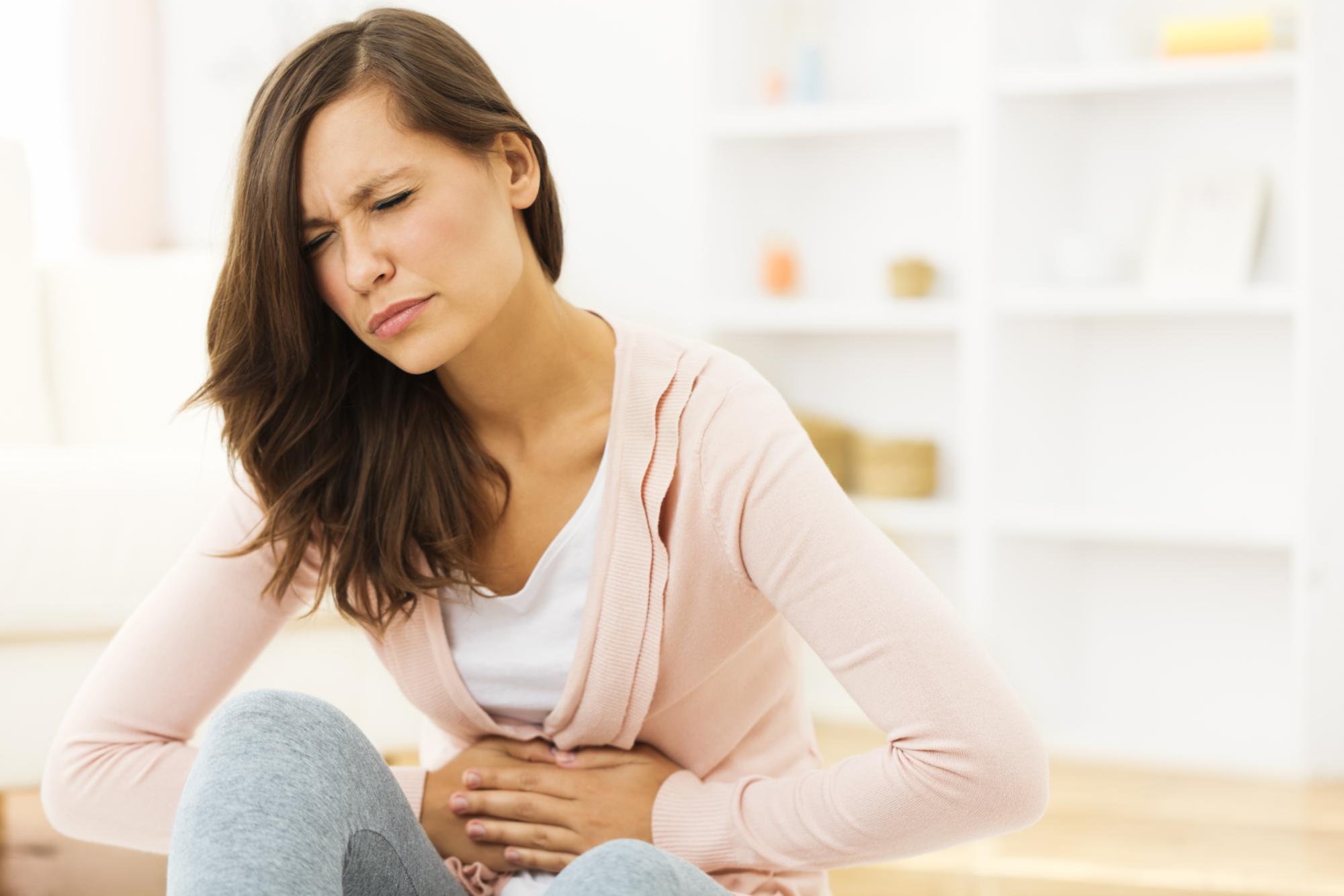
It’s a rare person who has not experienced abdominal pain from time to time. The abdomen could be described as the area between the lower ribs and the pubic bone. This part of the body contains your intestines, bladder and the female reproductive organs. In fact, women may refer to lower abdominal pain as “pelvic pain.”
Lower abdominal pain often is defined as any type of pain that occurs below the level of your belly button (navel). And there’s a laundry list of reasons you could get pain in this area. From A (appendicitis) to U (ulcers), the list of potential causes for lower abdominal pain spans nearly the entire alphabet.
Here are a few common reasons you might experience lower abdominal pain—and some additional symptoms that signal it’s time to see a doctor.
Common Causes of Lower Abdominal Pain
Interestingly, many serious abdominal disorders, such as colon cancer, do not initially cause pain. Aside from appendicitis, which typically involves sharp, localized pain in the lower-right quadrant of the abdomen, most lower abdominal complaints fall into the category of mild-to-moderate, generalized abdominal pain. The usual culprits for this type of discomfort include:
- Acute urinary retention
- Bladder infection (urinary tract infection)
- Bloating
- Constipation
- Diverticulitis
- Food poisoning
- Gas
- Hernia
- Inflammatory bowel disorders
- Kidney stones
- Menstrual cramps/pain
- Pulled muscle
When to See a Doctor for Lower Abdominal Pain
Often, if you’re experiencing generalized abdominal pain you can take a wait-and-see approach about the situation. However, you should seek medical attention for any of these situations or symptoms:
- Abdomen is distended or very hard/rigid when you push on it
- Abdominal pain that doesn’t go away within a week
- Black and/or tarry looking stool
- Blood in your urine
- Constipation, especially with vomiting
- Diarrhea for more than 5 days
- Fever
- Inability to pass any stool at all and have not had a bowel movement for several days
- Pain that progressively gets worse instead of better over time
- Severe abdominal pain occurring in one particular spot, especially if the area also feels tender when you touch it
- Sharp pain in the groin area that occurred with a “popping” feeling on physical exertion
- Unexpected or prolonged vaginal bleeding
- You are pregnant or believe you could be pregnant
Home Treatment for Lower Abdominal Pain
If your pain feels mild or moderate and is not localized, you can try some simple home remedies to treat it:
- Stop eating solid food for a few hours. (Note: If you have diabetes, be sure to check your blood sugar levels frequently if you are not able to eat.)
- Sip clear liquids or a sports drink diluted with water.
- If the pain seems to be caused by intestinal gas, try walking around. Or take an over-the-counter anti-gas preparation.
- If you are mildly constipated, drink plenty of water and try taking a stool-softening gelcap as directed on the label until you have a bowel movement.
How to Avoid Lower Abdominal Pain
Intestinal upset is a major cause of lower abdominal pain. You can keep your bowels happy by eating a high-fiber diet and drinking plenty of water. Add leafy vegetables and fresh fruits to your meals. Exercise regularly, even if it’s only walking.
Although most cases of lower abdominal pain are mild and temporary, you should not hesitate to seek medical attention if you have a sudden onset of sharp, localized pain in your abdomen. If you need or want to see a doctor for any level of lower abdominal pain, Healthgrades can help you find one now.