
View Providers
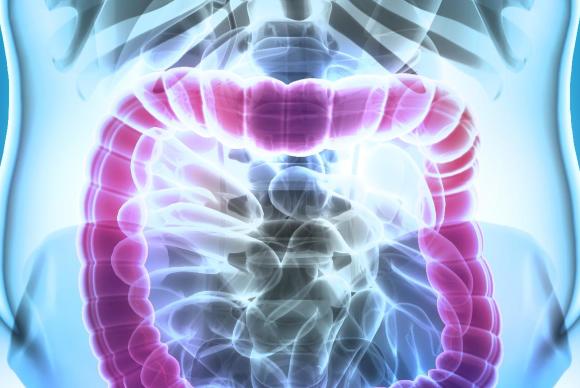
1. A colonoscopy is visual examination that looks inside your colon and rectum.
A colonoscopy offers a magnified real-time view of the inner lining of your colon and rectum. Your doctor may recommend a colonoscopy to help diagnose a medical condition. It’s also one of the best screening tools for colon cancer. A colonoscopy is one the best diagnostic tools for detecting colon cancer. Doctors can also treat certain conditions during a colonoscopy.

2. A colonoscopy helps diagnose problems along the lower digestive tract.
A colonoscopy can detect tissue inflammation, ulcers, and abnormal growths that could be cancerous or precancerous. If you experience pain or discomfort when having bowel movements, rectal bleeding, or unexplained weight loss, a colonoscopy will help your doctor diagnose the cause.

3. A colonoscopy can help reduce your risk of colorectal cancer.
Routine colonoscopy exams have the potential to save lives. Colorectal cancer often begins as an abnormal growth, called a polyp, in the colon or rectum. If these polyps are discovered early and removed, your risk for cancer is reduced. If your doctor finds cancerous tumors early, you have a greater chance of treatment success.

4. Most people get a colonoscopy at age 50 and then again every 10 years.
If you have a family history of colorectal cancer, or if you’ve been diagnosed with inflammatory bowel disease (IBD), you may need to start earlier. If your doctor finds polyps during your colonoscopy, he or she may recommend more frequent screenings. Ask your doctor how often you should have a colonoscopy.

5. Gastroenterologists perform most colonoscopies.
Gastroenterologists have special training in the diagnosis and treatment of disorders of the digestive system. Colonoscopies are also performed by colon and rectal surgeons, as well as general surgeons trained to perform the procedure. Let Healthgrades help you
find a doctor in your area.

6. Your doctor’s office will give you colon prep instructions.
Preparing
your colon for a colonoscopy usually includes diet changes for a few days. You’ll need to thoroughly cleanse your gastrointestinal tract by following a clear liquid diet and drinking a special bowel prep solution that acts as a strong laxative. Usually you drink the solution the day before the test is scheduled. The results from the prep solution are usually quick and very predictable. Plan on staying home for the evening.
7. The actual colonoscopy takes less than an hour.
Once at the outpatient center or hospital, you’ll be given a sedative to help you relax. The type of sedation varies and you typically will not remember anything about the colonoscopy. You’ll lie on your side, and your doctor will gently insert a long, flexible, lighted tube—called a scope—into your anus, guiding it through the rectum and colon. It has an attached camera that transmits images to a computer screen, allowing your doctor to see inside your colon. The procedure takes 30 to 60 minutes.
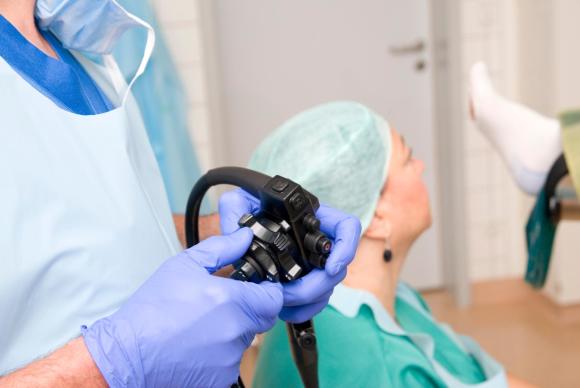
8. Your doctor may take tissue samples or remove polyps for testing.
If your doctor finds any polyps during the colonoscopy, he or she will remove them during the exam using medical instruments passed through the scope. The growths are sent to a lab to determine whether they are cancerous. If your doctor sees any tissue abnormalities, samples may be taken so the doctor can check them more closely under a microscope after the exam for signs of disease. You won’t feel the removal of polyps or a tissue sample.
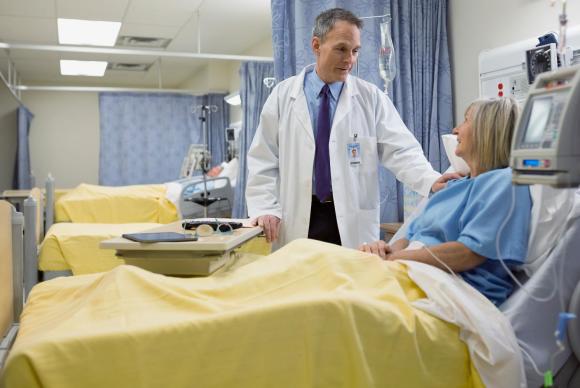
9. You’ll need to rest for a while after your colonoscopy.
You’ll stay in a recovery area for a short time so that your vital signs can be monitored. Cramping and bloating are normal during the first hour. You’ll need someone to drive you home. You will need to rest for the remainder of the day, but you should be back to full activity within 24 hours. Follow all discharge instructions and let your doctor know if you have any side effects, such as abdominal pain, fever, bloody stools, weakness, or dizziness.
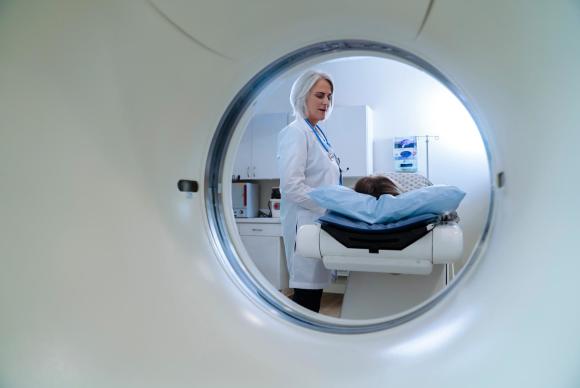
10. You may be a candidate for an X-ray-based colonoscopy.
A virtual colonoscopy is a noninvasive test that uses X-ray imaging instead of the internal scope. It does not require sedation. If you do not have an increased risk for colorectal cancer or IBD, a virtual colonoscopy is an alternate screening tool for colon cancer. But those at higher risk should have a traditional colonoscopy. If you have any polyps, they cannot be removed during the virtual test; you will still need a traditional procedure as a follow-up.


