
View Providers
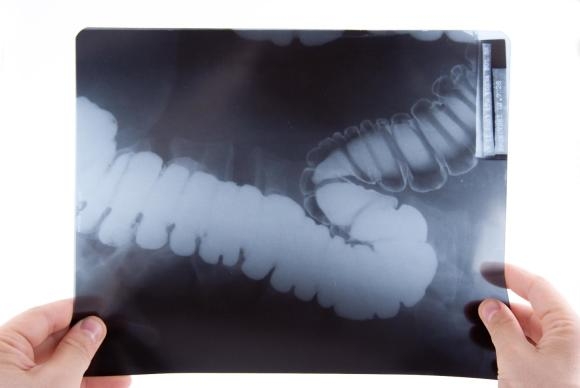
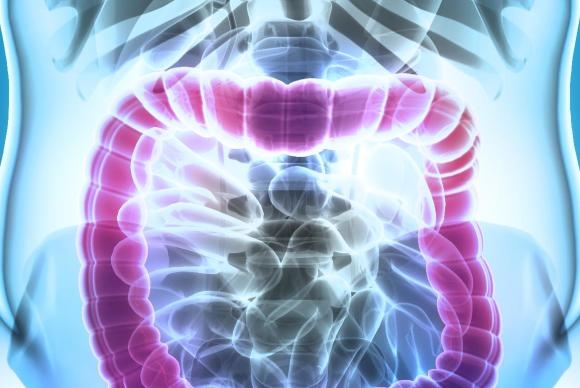
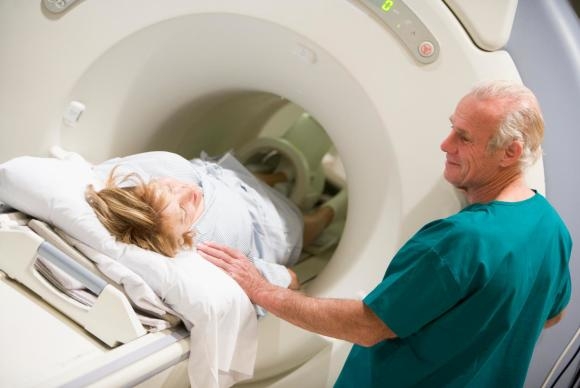
Virtual colonoscopy is a CT (computed tomography) scan of the colon and rectum. It can help detect colorectal cancer in its earliest, most curable stage. The CT machine takes many X-rays as it scans your body. A computer creates a detailed image of your colon and rectum.
Are There Other Screening Options?
Doctors often recommend a conventional colonoscopy to screen for colorectal cancer. This test uses a flexible colonoscope to take pictures of the colon. The device is inserted into the rectum and moves through the colon. The doctor sees real-time images of your colon on a computer screen.
Your doctor can also remove colon polyps, which are growths along the lining of the colon that can develop into cancer, and take a tissue sample (biopsy) with a conventional colonoscopy. The tissues are tested for cancer and other diseases.
Another test is the high-sensitivity fecal occult blood test. This test checks for blood in the stool, which may point to colon cancer.
Discuss all colorectal cancer screening options with your doctor to decide which is best for you.
When to Consider Virtual Colonoscopy
Your doctor may decide that you are a good candidate for virtual colonoscopy if you:
- Have a high risk of complications from conventional colonoscopy. Risks include taking blood thinners or severe breathing problems. Sedation can be dangerous for people who have breathing problems.
- Are frail or ill or cannot tolerate a conventional colonoscopy
- Had a conventional colonoscopy that could not reach the full length of the colon
- Have a colon blockage that prevents completion of a conventional colonoscopy
Who Is NOT a Good Candidate for Virtual Colonoscopy?
Many people would prefer a virtual colonoscopy to a conventional colonoscopy because it is less invasive and does not require sedation. However, it is not the best choice for everyone.
The results may be less accurate than that of a conventional colonoscopy. In addition, if your doctor finds polyps, you will need to have a conventional colonoscopy to remove them and test them for cancer.
You may may not be a good candidate for virtual colonsopy if you:
- Have a personal or family history of colorectal cancer
- Have a history of inflammatory bowel disease including Crohn’s disease or ulcerative colitis
- Have had recent colon surgery
- Might have a colon perforation
- Have diverticulitis
What to Expect
You will need to cleanse your colon before the test to create the clearest pictures. This may include a combination of enemas, laxatives, and not eating solid foods.
Before the scan, your care team will insert a small flexible tube about two inches into your rectum. They’ll pump some air into your colon to provide the clearest view of the lining. You lie on a table as it moves through a tunnel-like scanner that takes the pictures. You may feel pressure and brief cramping during and after the test because of the extra air.
You will go home and return to your normal activities and diet right after virtual colonoscopy. You may pass extra gas and need to drink extra fluids for 24 hours to stay hydrated. Your doctor will contact you in a few days with the test results.