View Providers
A colonoscopy is a test that examines the inside of the colon and rectum. A colonoscopy is a diagnostic screening tool for colon and rectal cancer, but doctors also use it to diagnose other intestinal conditions. Learning more about the procedure may help reduce your concerns about having a colonoscopy.
Why Do I Need a Colonoscopy?
A colonoscopy can detect irritated tissue and other problems along the length of the colon. Your doctor may recommend the test if you have changes in your bowel habits, abdominal pain, or bleeding from your anus or blood in your stool.
A colonoscopy is also a screening test for colon cancer. A colonoscopy can show very small polyps, which are growths of tissue that can grow into cancer. People with colorectal cancer often do not have symptoms until it is at an advanced stage. At this point, it is harder to treat than in an early stage. It is much easier to cure colon cancer when it is discovered at an early stage.
How Often Should I Have a Colonoscopy?
Your doctor will likely recommend a colonoscopy when you turn 50. If your result is normal, you will need to repeat it every 8 to 10 years. You will probably have other screening tests in between colonoscopies, such as a fecal occult blood test. This test looks at a stool sample for traces of blood, which can be a symptom of colon cancer.
People with a high risk of colorectal cancer may need a colonoscopy at a younger age and more often. Risk factors for colorectal cancer include a family history of colorectal cancer and being of African American descent. Other risk factors include having a history of polyps, previous colorectal cancer, or chronic inflammatory disease.
How Should I Prepare for a Colonoscopy?
People generally need two days off work for a colonoscopy. You will have to cleanse your colon and stay close to a bathroom the day before the test. Cleansing may include a combination of enemas, laxatives, and not eating solid foods. Thorough cleansing is important in order that the doctor has the clearest view of your colon.
You will need to arrange for a ride home after your colonoscopy. You will likely be drowsy and should not drive for 24 hours. It is also a good idea to have someone stay with you for the first day.
What Can I Expect During a Colonoscopy?
You will have a sedative and pain medications to keep you comfortable during the test. Some people even fall asleep. The doctor inserts a colonoscope—a long, lighted tube with a miniature camera on the end—into the rectum. The images display on a video monitor. You may feel mild pressure and brief cramping as the colonoscope passes through the colon. Tell your doctor if you are anxious or uncomfortable. Your care team can adjust your medications. Keep in mind the test doesn’t take very long—less than 30 minutes.
Can I Have a Virtual Colonoscopy Instead of a Conventional Colonoscopy?
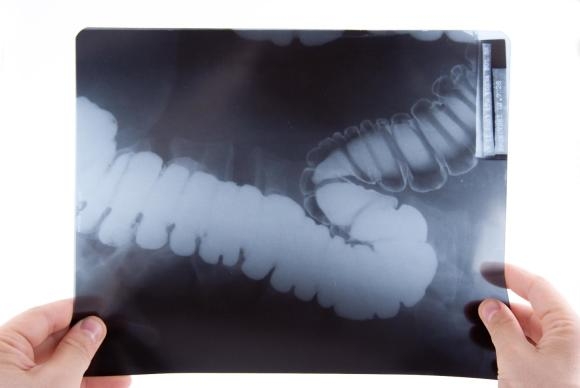
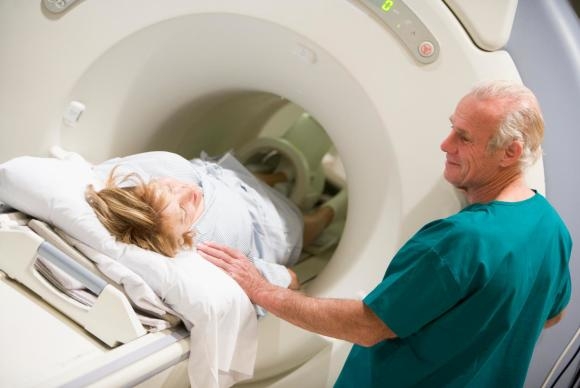
A virtual colonoscopy is a CT (computed tomography) scan of the colon from the outside of the body. Some imaging centers use MRI technology for virtual colonoscopy. Many people would prefer a virtual colonoscopy because it is less invasive. Keep in mind that there are benefits and drawbacks to both tests.
Results of a virtual colonoscopy may be less accurate, and your doctor cannot remove polyps with a virtual colonoscopy. You would still need a conventional colonoscopy for biopsy and polyp removal.
Discuss your preference with your doctor to help determine what type of colonoscopy is best for you.