
View Providers

How Men Can Build Their Healthcare Team
Young men are typically at their peak health during their
teenage years up until their 30s. Unless a young man has major risk factors for
a serious illness, he may just need general checkups without a lot of
additional testing. As men age, though, the need for more frequent checkups and
screenings is important to catch any disease at an early stage. These are some
of the doctors you’ll want to visit as you age to stay at your best.

1. Primary Care Physician
Your primary care doctor is the first line of defense
against any kind of health problems. This doctor can answer many of your general
healthcare questions. Your PCP will also provide checkups, including your blood
pressure and BMI (body mass index). He or she can also keep your immunizations
up to date. Depending on your risk factors, your doctor may send you to a
specialist for additional tests and screenings. Be proactive by checking in
with your primary care doctor regularly, even if you’re in general good health.

2. Cardiologist
Eating a heart-healthy diet might not be enough if you have
a family history of heart problems. If you have risk factors for heart disease,
such as high blood pressure, high cholesterol or diabetes, visit a
cardiologist, even if it’s just to discuss how you can stay heart healthy. Of
course, if you have any chest pain, that’s also a reason to schedule an
appointment right away (or go to the emergency room if you experience pain in
your arms, back, neck, jaw or stomach, along with shortness of breath, which
can indicate a heart attack).
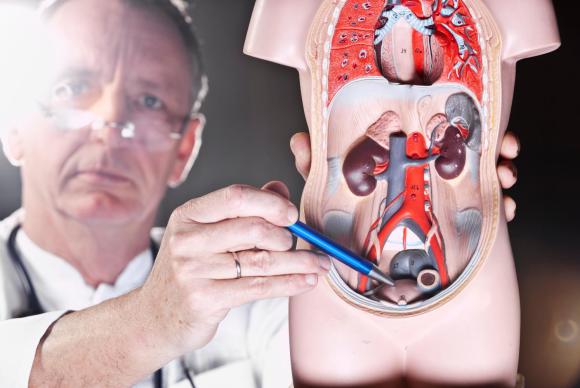
3. Urologist
A urologist can address a host of men’s healthcare issues,
including sexual health. If you’re having fertility problems or erectile
dysfunction, a urologist can help. If you’re finished having children, go to a
urologist for a vasectomy (or a reversal if you decide you want more kids).
Beyond sexual function, signs you need to schedule an appointment include
bladder control problems, painful urination, urinary tract infections, or
kidney stones.
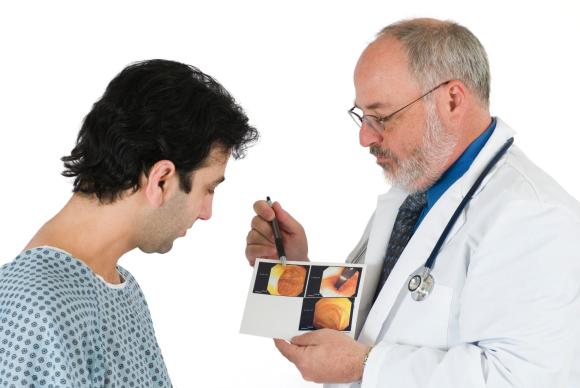
4. Gastroenterologist
While a colonoscopy might be last on your to-do list, it’s
one test a gastroenterologist will use to check for polyps in the colon or
rectum. Polyps can be an early sign of cancer, so don’t skip this test. You’ll
need a colonoscopy about every 10 years, but if you’re at higher risk of
developing colon cancer, you might need to have the test more often. Talk to a gastroenterologist
about your medical history and risk factors for colon cancer.

5. Dermatologist
You might think a dermatologist’s role is limited to
treating acne, but these specialists treat thousands of diseases, including
skin cancer. If you have a mole that changes appearance, have a dermatologist
check it out. He or she might recommend removing it for a biopsy to determine
whether it’s cancerous. Other reasons to schedule a visit include skin problems
such as eczema, hair or scalp problems, pigment issues, cosmetic treatments
and, of course, acne.
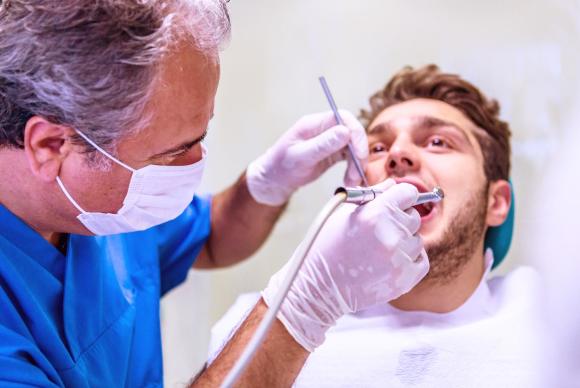
6. Dentist
Brushing your teeth twice a day isn’t always enough. Because
about 30% of Americans have untreated tooth decay, you need to get regular
checkups to make sure your mouth is healthy. The older you get, the more
vulnerable you are to gum disease—up to about 25% of adults over age 65 have it.
And if you smoke or drink heavily, you have an increased risk for oral cancer.
Your oral health can affect your well-being throughout your life—and oral
symptoms can indicate conditions elsewhere in your body--so make sure you visit
your dentist every six months.

7. Nephrologist
Millions of people have chronic kidney disease and don’t
realize it. If you have risk factors, such as diabetes or high blood pressure,
visit a nephrologist to screen for the disease. There’s no cure for kidney
disease, and it can lead to kidney failure, so detecting it early can save your
life.
8. Eye Doctor
Optometrists can perform vision tests and eye exams and, in
certain states, they may also prescribe medication for some eye diseases. But
eye problems can go beyond poor vision. If you have a more serious issue, an
optometrist might refer you to an ophthalmologist, who is a medical doctor. He
or she can treat all eye diseases and perform surgery if needed, as well as
diagnose and correct vision problems. If you think you have a more serious
problem than just poor vision, schedule an appointment with an ophthalmologist.

9. Psychologist
Even if you don’t have a severe mental health disorder, you
might benefit from talking with a psychologist. As an expert in human behavior,
a psychologist can help you work through all kinds of issues, such as
relationship problems, eating disorders, substance addictions, or even just
everyday stresses. If you have a family history of anxiety or depression,
consider scheduling a chat with a psychologist to discuss your risk factors.